
How to Decorate Walls in a Rental Without Damage
Five renter-friendly wall decor methods that protect your deposit: Command strips, peel-and-stick wallpaper, leaning mirrors, tapestries, and picture ledges, with specific products, prices, and weight limits.

The walls are the fastest way to make a rental feel like yours. You don't need a single nail.
Jump to:
- Command strips and picture hanging strips
- Peel-and-stick wallpaper
- Leaning mirrors and art
- Tapestries and tension rods
- Picture ledges
- What not to do
Builder-beige walls are the one thing nearly every renter shares. Four of the five approaches here cost under $20 to try. One costs nothing. You just have to rethink where the art lives.
Command strips and picture hanging strips
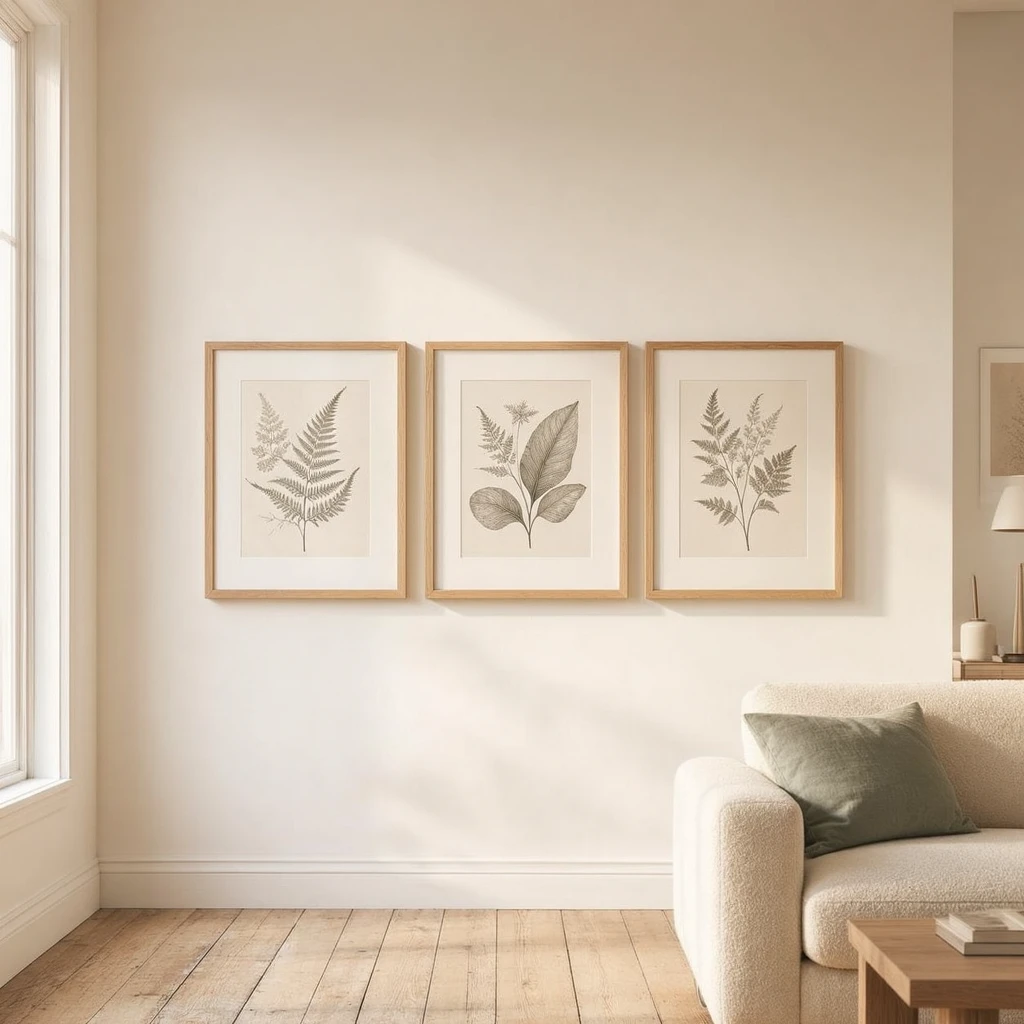
Command Large Picture Hanging Strips hold up to 16 pounds per 4-strip set. That covers most framed prints and small canvases. Use four strips per frame, two on each side, and press each one firmly against the wall for 30 seconds. Then wait a full hour before hanging anything. Most early failures come from skipping that hour.
Strips work well for gallery walls too. Space frames 2 to 3 inches apart. Start with one anchor piece centered at 57 to 60 inches from the floor and arrange the others around it. Command Poster Strips for lightweight prints run about $4 to $6 per pack. Large strips for heavier frames are $6 to $10.
Strips work best on smooth, well-bonded paint. On textured walls or paint that's starting to peel, they can pull the surface on removal. Test one strip behind a door or inside a closet before committing a whole gallery wall.
Peel-and-stick wallpaper
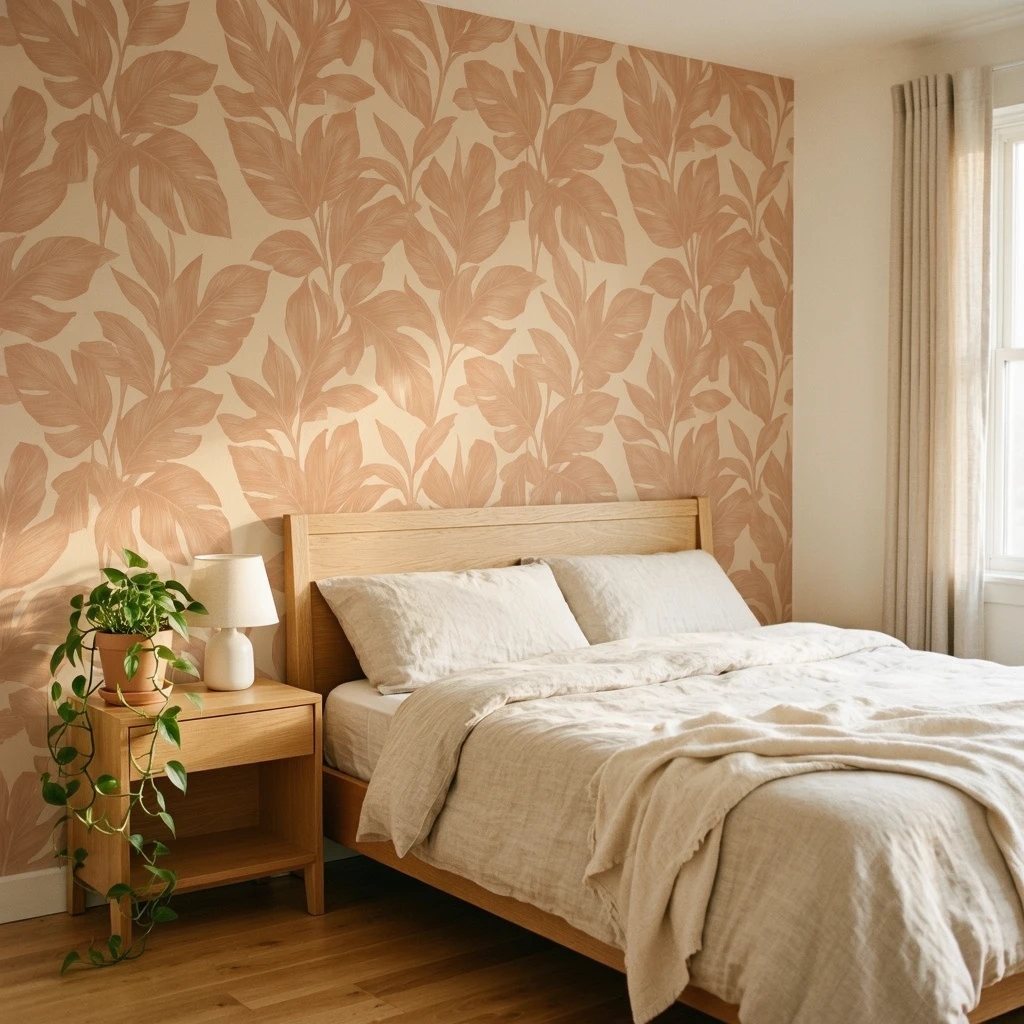
WallPops peel-and-stick wallpaper covers about 20.5 inches wide by 16 to 18 feet per roll and costs $30 to $45. Chasing Paper sells by panel, roughly 2 by 4 feet for $25 to $40, which works well for the wall behind a bed. Both peel off clean.
Apply only to smooth, fully cured paint. New paint needs at least 30 days to cure before anything adhesive goes on it. Fresh paint bonds weakly and tends to pull off with the wallpaper on removal. Start from a top corner, smooth out bubbles with a flat card, and trim at the baseboard with a craft knife.
On removal, peel from a top corner slowly at a shallow angle toward the wall, not straight out. Apartment Therapy's guide to rental wall decor covers a few more removal tips worth reading before you commit a full wall, including how to handle stubborn residue.
Leaning mirrors and art
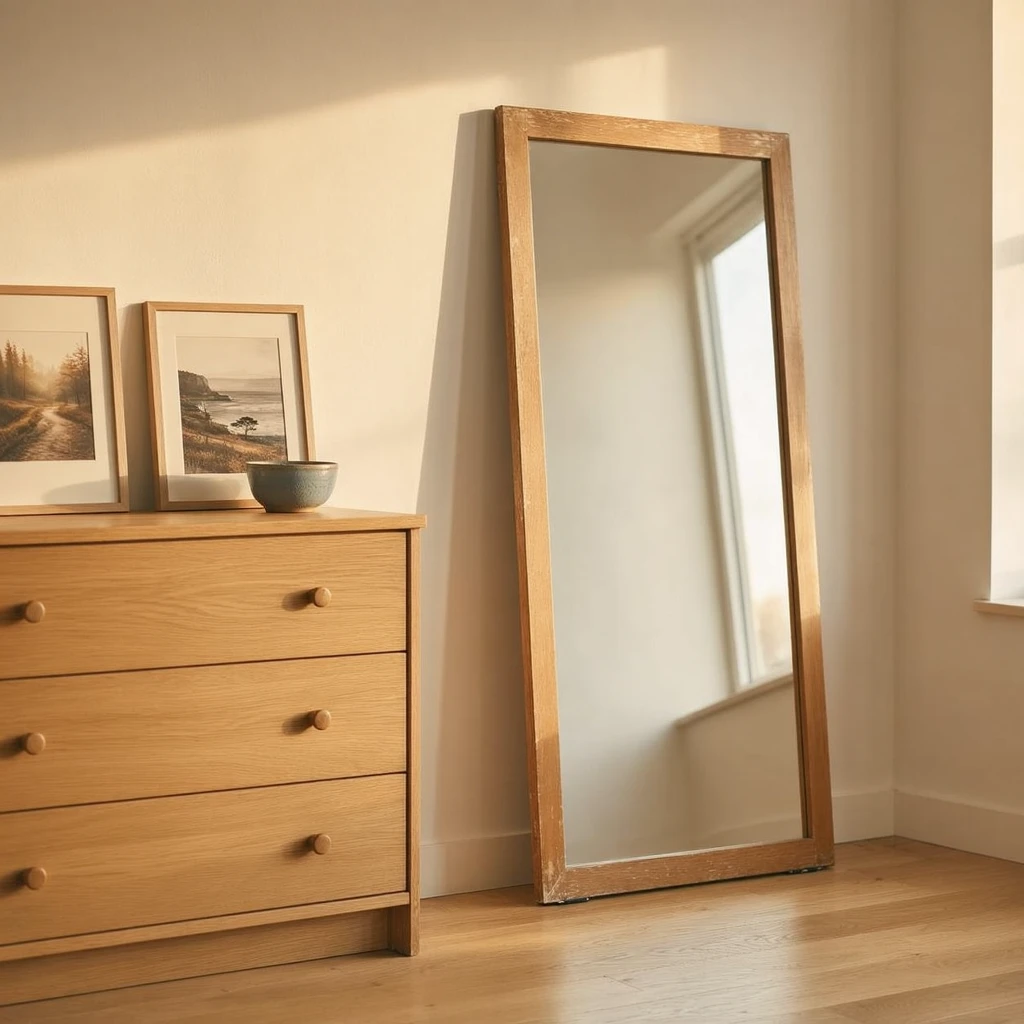
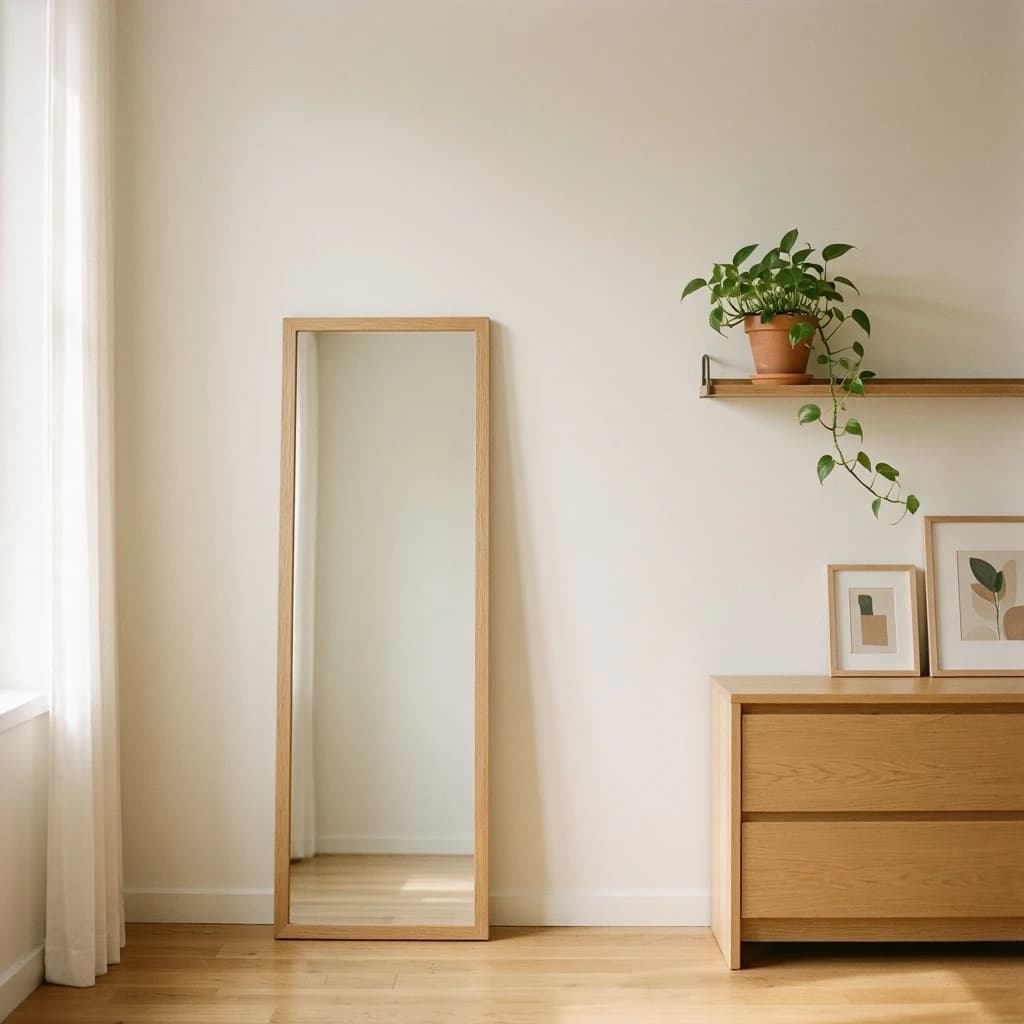
A large floor mirror leaning against a wall never touches the paint, which means no deposit conversation when you move. A 24 by 60 inch mirror also reflects daylight across the room and makes the ceiling read taller. Prices run from $70 for a basic black metal frame to $200 for arched or ornate styles.
Framed art works the same way. Lean a large print against the wall on top of a dresser and stack a smaller piece in front of it. Nobody's going to think it's temporary. When you move, you pick it up and go.
Before leaning anything tall on a smooth floor, put rubber pads under the base. A door slamming or a truck passing can slide a 60-inch mirror further than you'd expect. Museum putty works the same way for art leaning on dresser surfaces.
Tapestries and tension rods
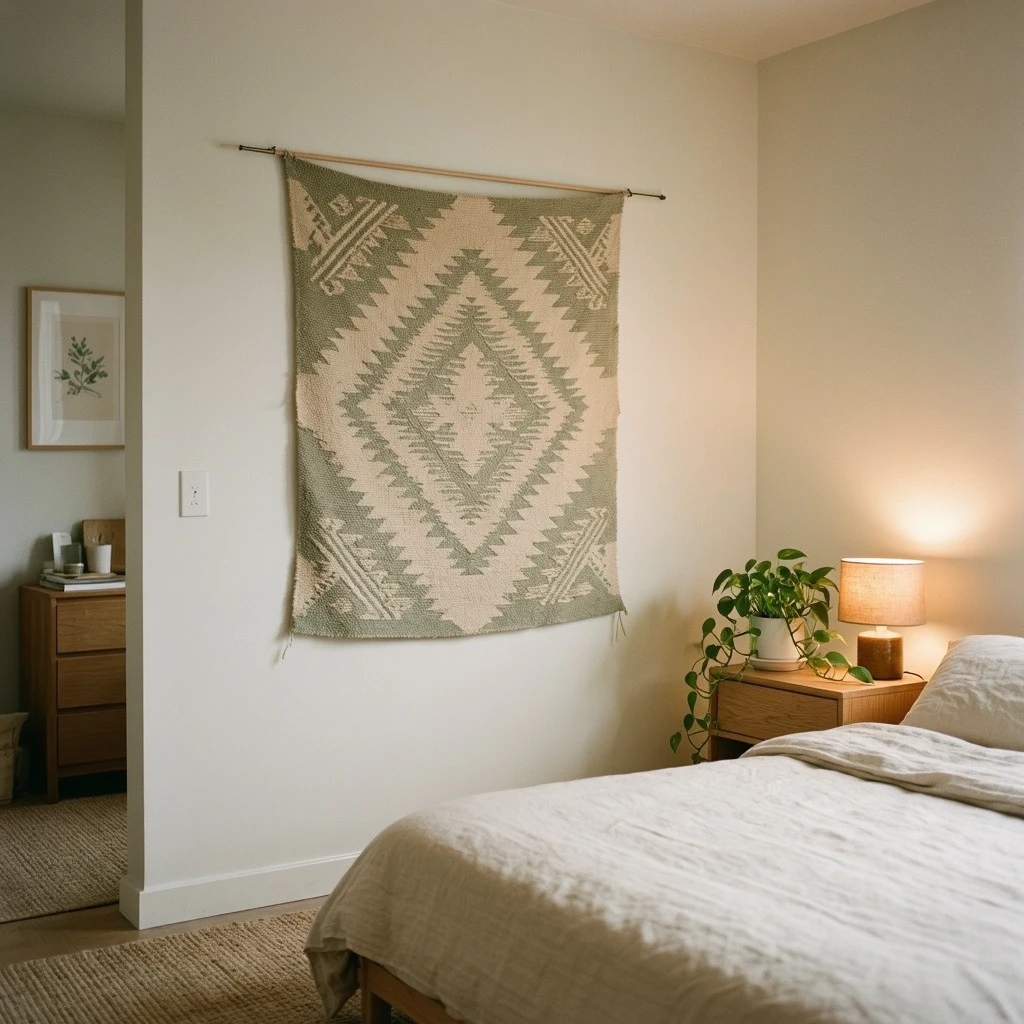
A tension rod between two walls holds a tapestry across a full wall without a single hole. The 48 to 72 inch range costs $15 to $30. This works best for the wall behind a bed in a studio, where a fabric panel does the job of a headboard without any hardware in the wall.
For fabric hung from adhesive hooks instead, thread a wooden dowel through a sleeve along the top edge of the tapestry. A 1-inch diameter, 36-inch dowel from any hardware store costs about $3. The dowel spreads the weight across multiple hooks instead of stressing just two anchor points.
Bare walls in studios reflect noise back at you. A large fabric panel takes some of that edge off and makes the room feel quieter, which matters more when the kitchen, living area, and bedroom all share the same walls.
Picture ledges
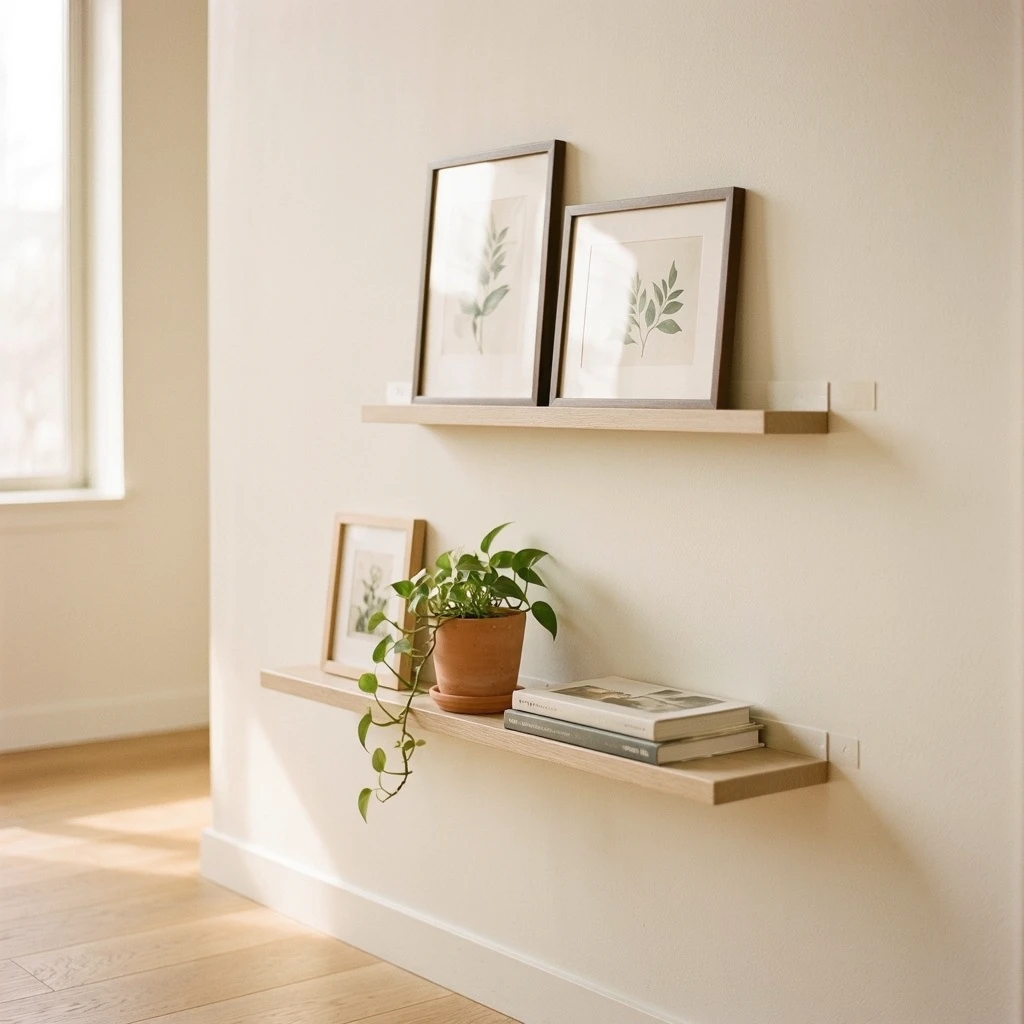
Picture ledges mean you never have to commit to an arrangement. IKEA's MOSSLANDA ledge is 21 inches long and costs $5.99. The 45-inch version runs $7.99. Both are light enough to mount with Command Large Strips, no drilling.
Mount two ledges at different heights: one at 48 to 52 inches from the floor, one at 24 to 28 inches. The lower ledge handles larger frames or a small stack of books. The upper one is better for smaller prints and objects. You can swap the art seasonally in under a minute.
Nothing is attached to anything else here. Every piece just rests. When you move, the only thing to deal with is the ledges themselves, and those come off the same way as picture hanging strips.
What not to do
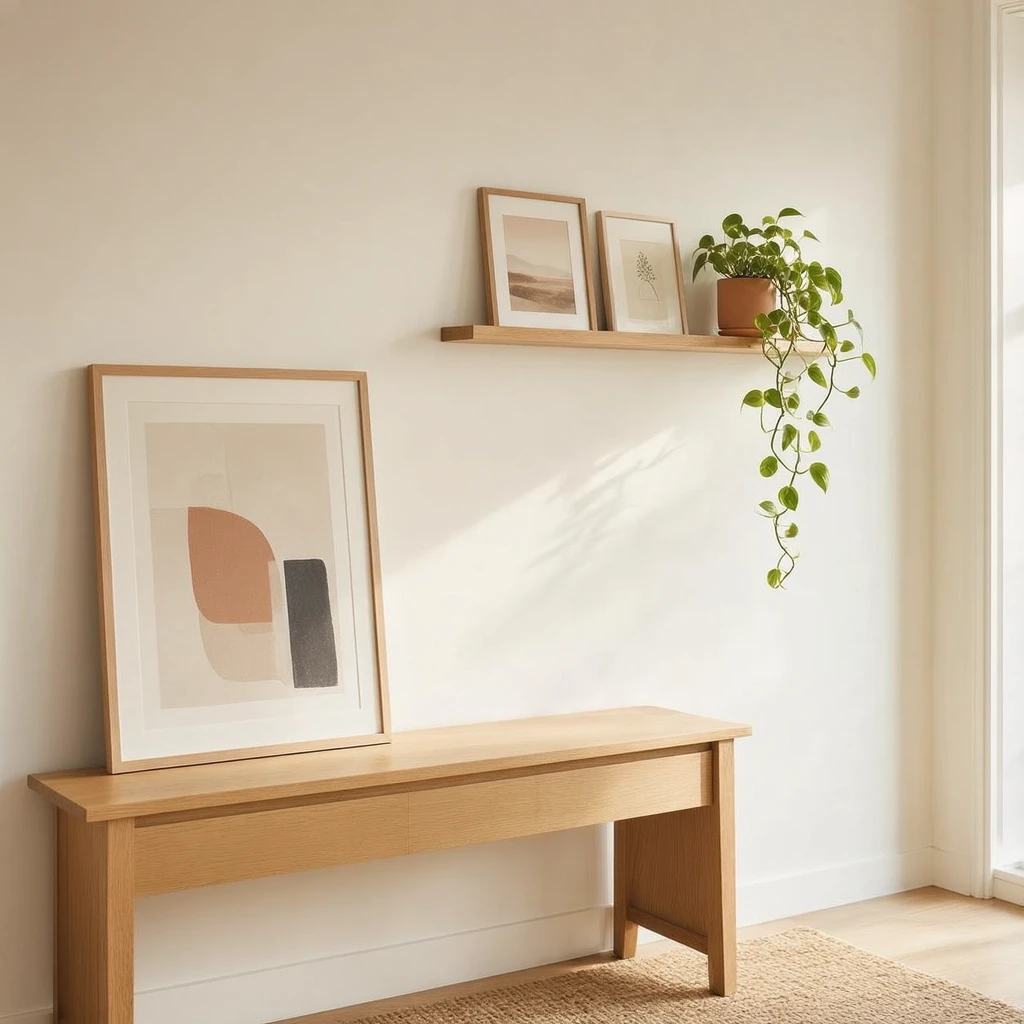
Four mistakes. I see them constantly in rental wall situations.
Overloading strips is the most common. Command Large strips hold 16 pounds per 4-strip set. That's the combined weight of the frame and everything inside it. Heavy frames with thick glass often push past that. Weigh the piece before hanging. If it's close, use more strips or hang it on a ledge instead.
Skipping surface prep causes most early failures. Apartment walls accumulate cooking grease, dust, and cleaning residue. Wipe the wall with a damp cloth and let it dry completely before applying any adhesive. That one step is the difference between strips that last months and ones that fail in a week.
Decorating every wall equally fragments a small room. Choose one or two walls and leave the others quiet. In a studio, all four walls competing for attention reads as cluttered even with minimal furniture. One strong wall does more than four half-finished ones.
Not keeping original packaging makes removal harder. Command strip instructions are on the box. WallPops and Chasing Paper usually include removal guidance on the tube or sleeve. Keep it. That packaging also documents the product name if there's ever a deposit dispute.
The renter-friendly decorating ideas guide covers what else you can do with flooring, lighting, and furniture without risking your deposit. And if your landlord allows painting, two-tone wall paint ideas shows how to get a designer result from a single careful session.